

Science
Essays and outreach on science, technology, and inclusion.
The Science Pillar looks at science and technology through the lens of human rights. So far its work has been mostly written: a series of essays on the V FOR HUMAN blog, and one crossover with the Art Pillar on the future of space. It is a small pillar, and an open one.
What this pillar works on
Technological and scientific innovations addressing social challenges.
-
Algorithmic social impact design
How algorithms and automated systems are designed, and who they serve or leave out.
-
Technological equity research
Who gets access to technology and digital education, and who is left behind.
-
Scientific innovation for human rights
Science as a means of advancing rights, and the people who have opened it up to others.
The Science essays
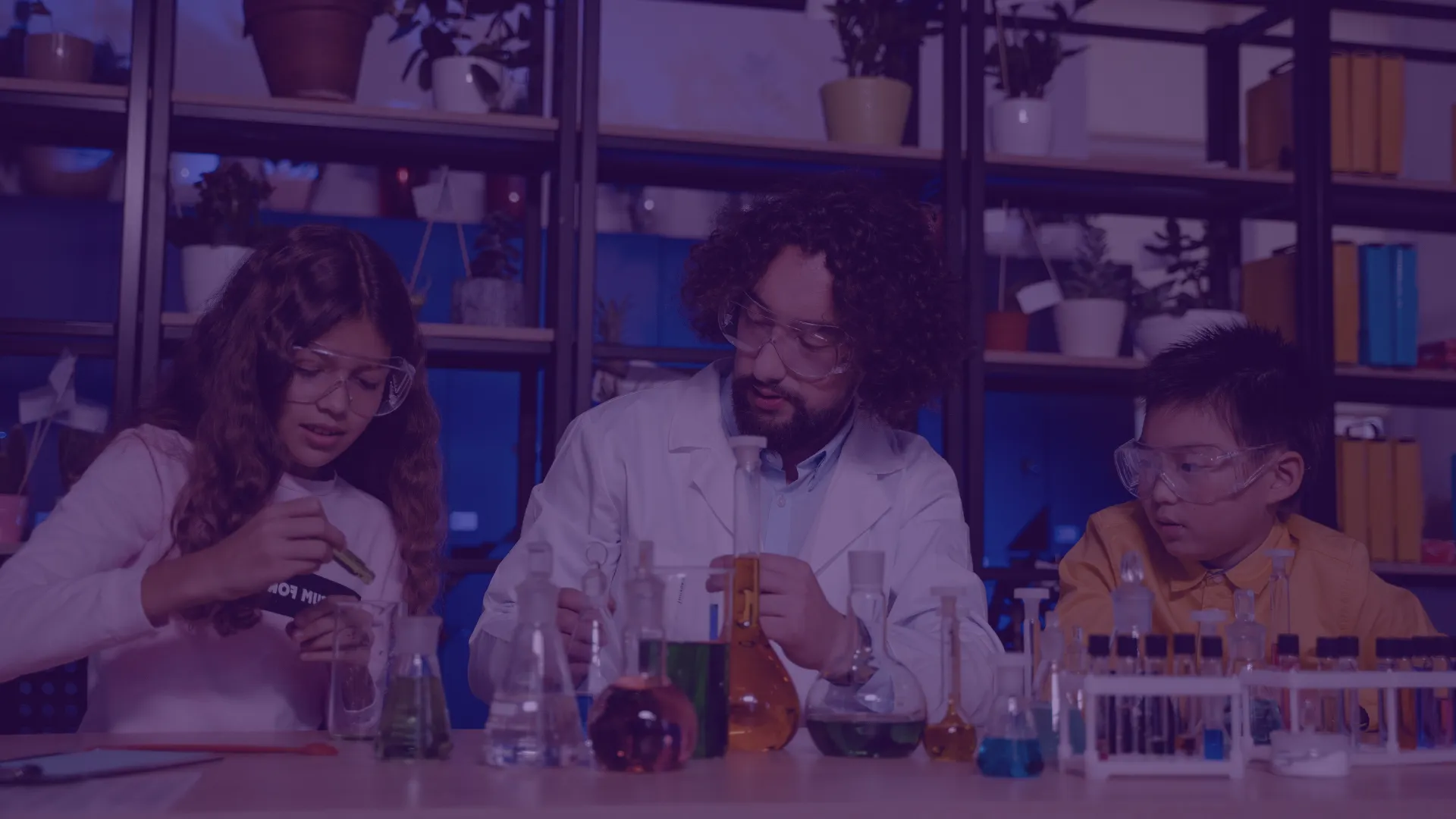
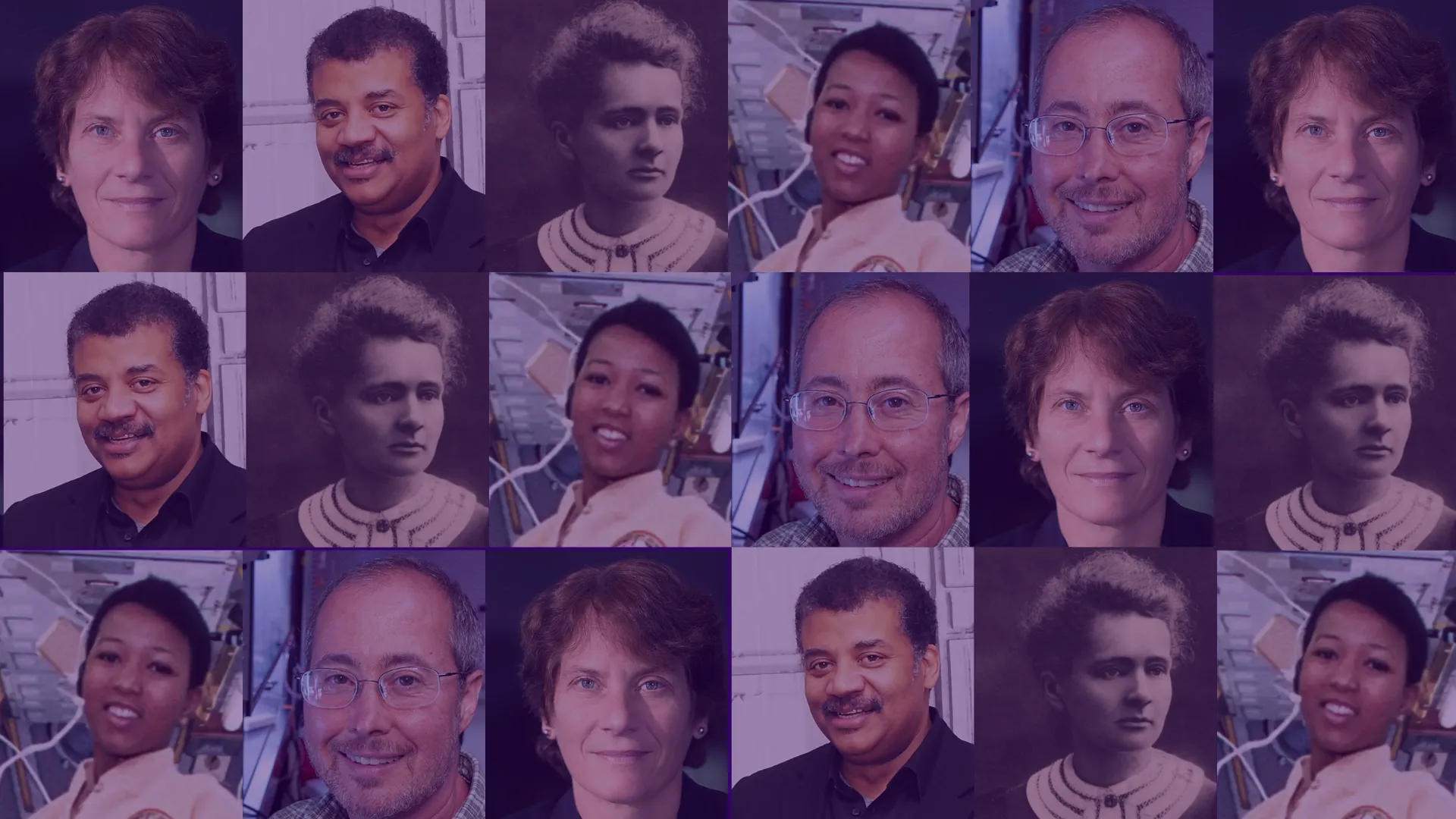
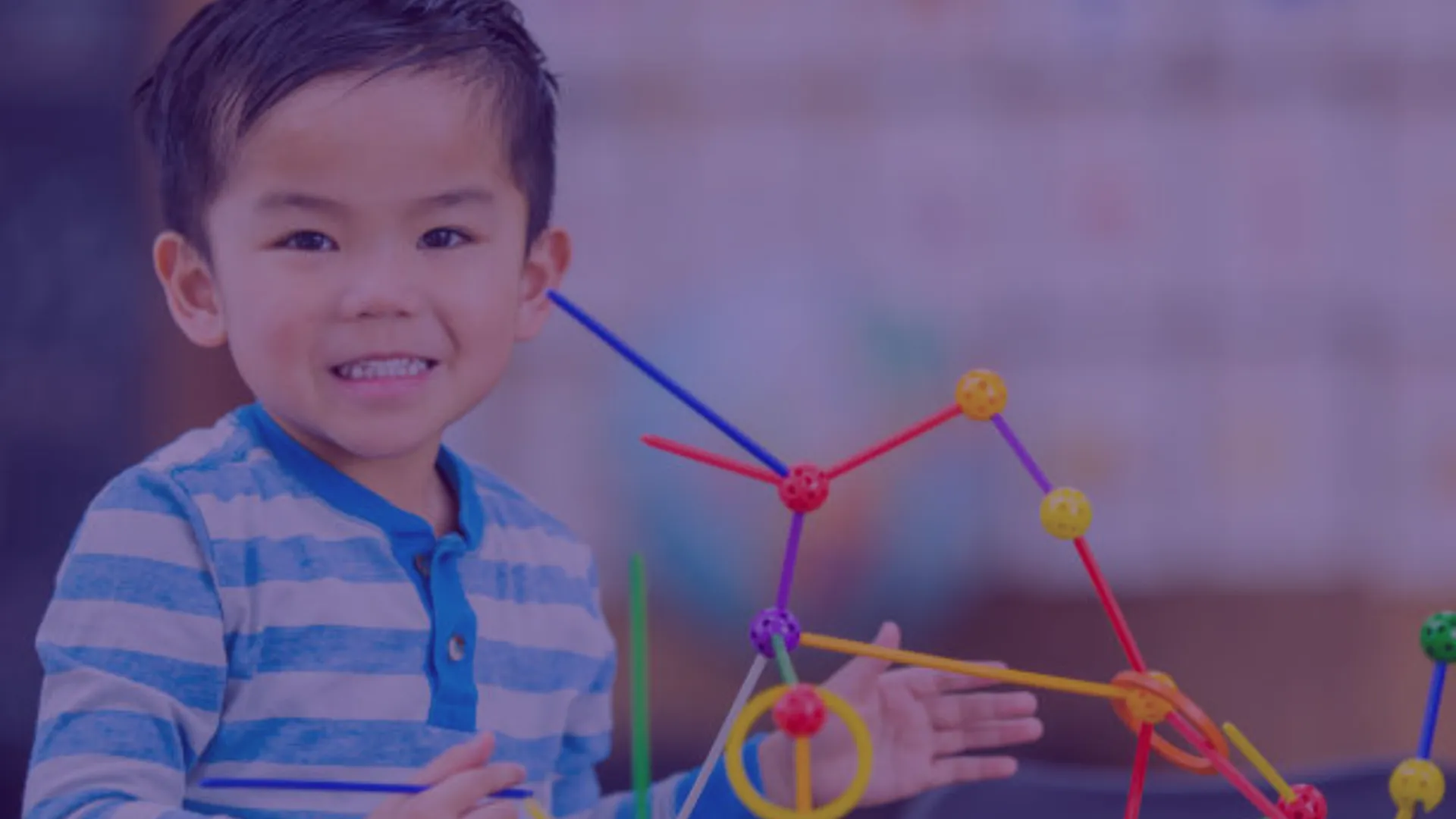
9 essays on the V FOR HUMAN blog, most of them published in February 2024: digital inequality, space, role models in science and science education for children.
All Science posts






Where art meets science
Artivism: Space
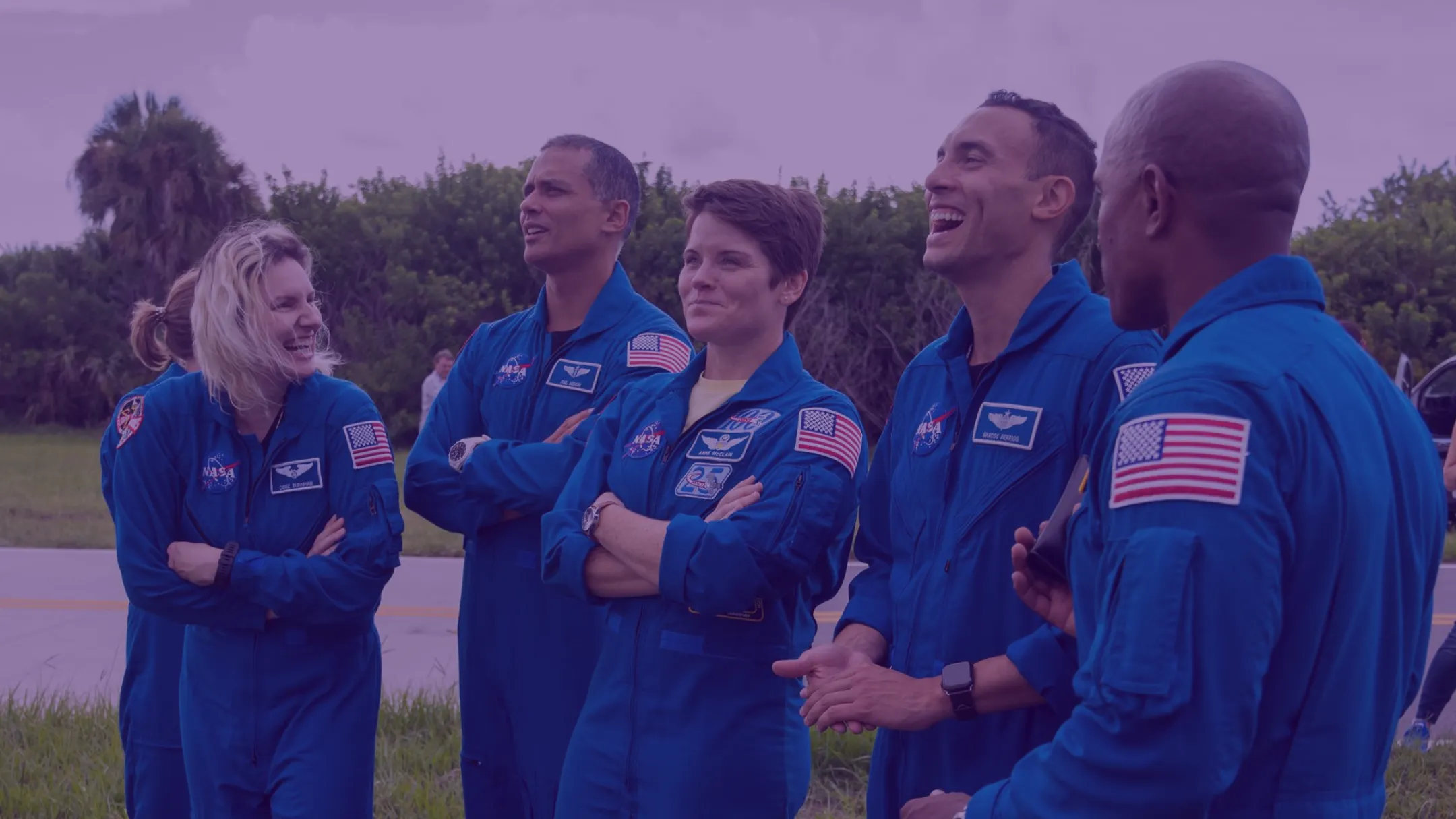
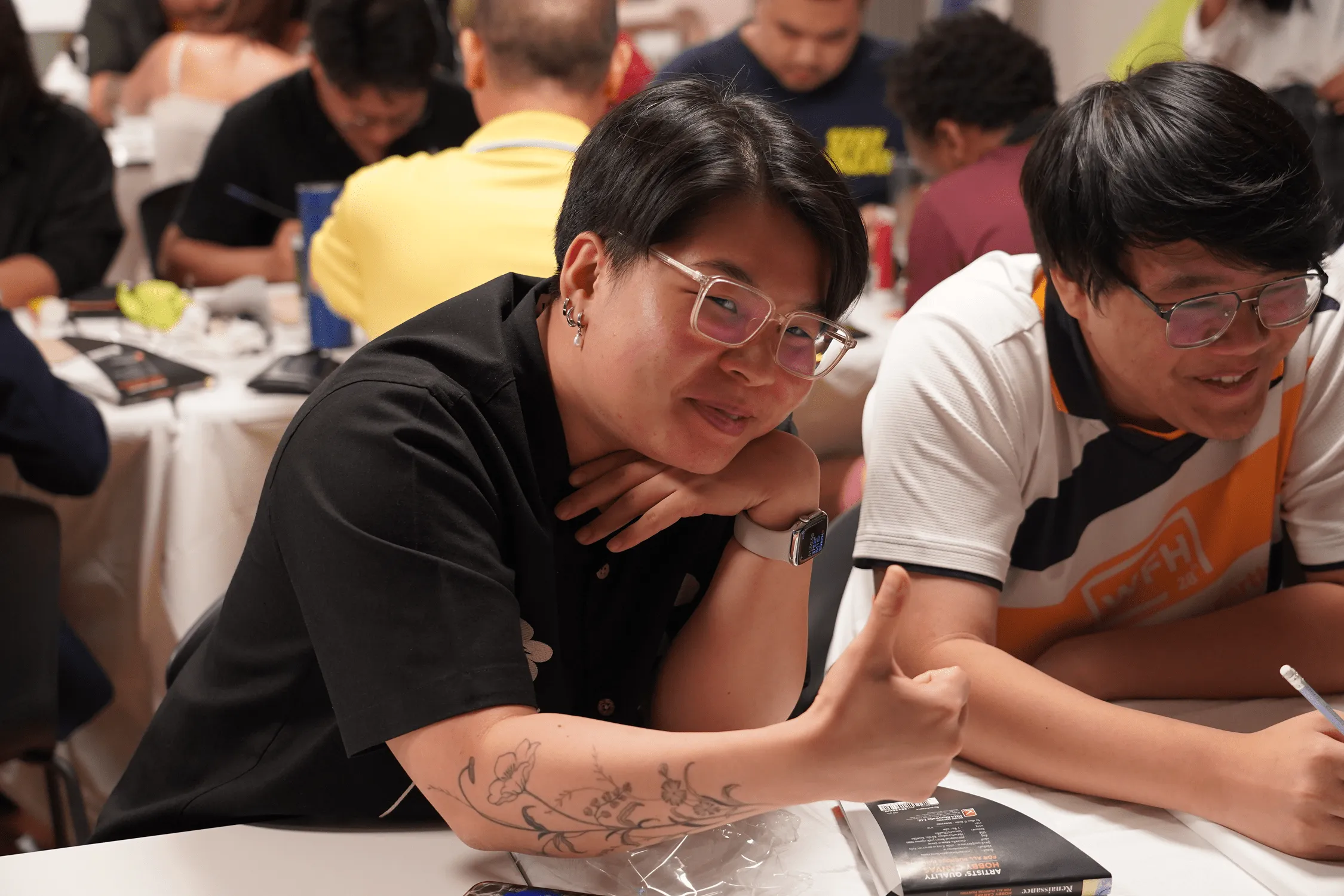
On 2 June 2023 at Harbour.Space@UTCC in Bangkok, the launch of the Creative Space Program was paired with Artivism: Space, a workshop and exhibition on inclusive futures beyond Earth. It brought the Art Pillar into conversation with the space sector, around gender equality, sustainability and the ethics of exploration.
Related reading
Technology and rights, beyond the Science series.
- Articles
A Human Rights Imperative in the Age of Technofeudalism
Have we become digital serfs? In the age of Technofeudalism, Big Tech overlords rule dominant digital kingdoms. Our data is the currency, and our fundamental rights are the price. The struggle for who is truly in control has already begun.
- Articles
How Data & Design Can Reveal Human Realities | Tiziana A.
In our digital age, we are surrounded by data. It’s in the metrics we track, the analytics we study, and the algorithms that shape our experiences. But in this vast ocean of numbers, we risk losing sight of the shore: the complex, nuanced, and deeply human realities that data can only begin to describe.
- Blog
AI in Education: Between Promise, Panic and the Terms & Conditions Nobody Reads.
Education, as an industry, has always been resistant to change. Whether at an institutional or individual level, innovation and new approaches looked good on paper but the reality proved otherwise. That’s exactly what makes the sudden rise of AI in education so striking. So what makes this time different?
Where we are heading
Directions from the V FOR HUMAN Intellectual Activism framework. They describe what we want to build next, not work already done.
- AI-driven human rights monitoring systems
- Open-source technological solutions for marginalised communities
- Scientific research that challenges systemic inequalities
This pillar grows with the people who join it.
Researchers, engineers, educators and science writers: pitch an essay, propose a project or offer your skills. The Science Pillar is where V FOR HUMAN has the most room for new work.